Complete Wheel Selection Guide to Avoid Safety & After-Sales Risks
Wheels are core safety components that bear the entire vehicle weight and transmit driving and braking torque. The quality of a set of wheels directly affects the safety of the occupants. Whether you are a wholesaler selecting products, a modification shop making purchases, or an individual buying for yourself, mastering the following five key considerations is a prerequisite for avoiding safety risks and economic disputes.
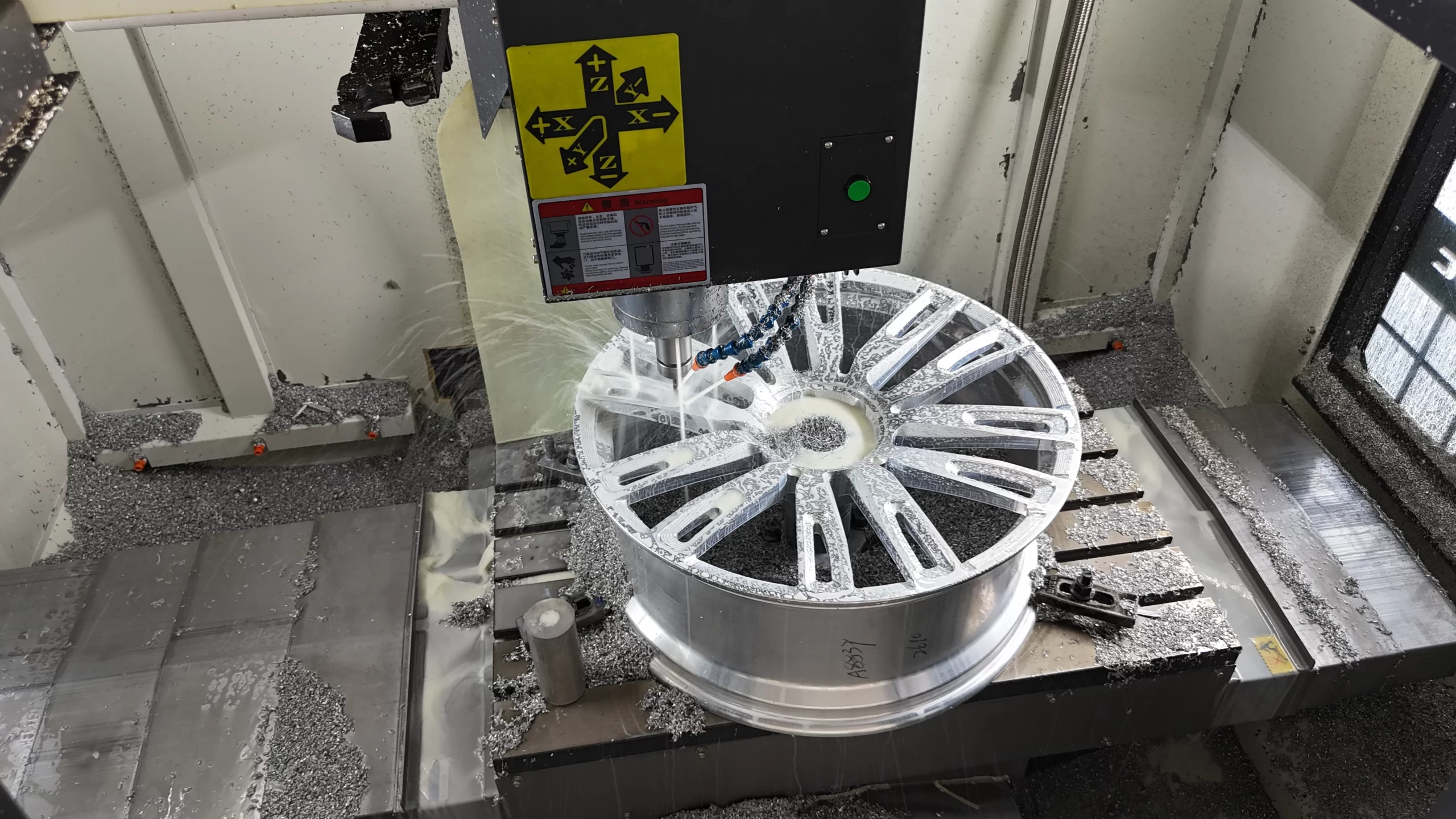
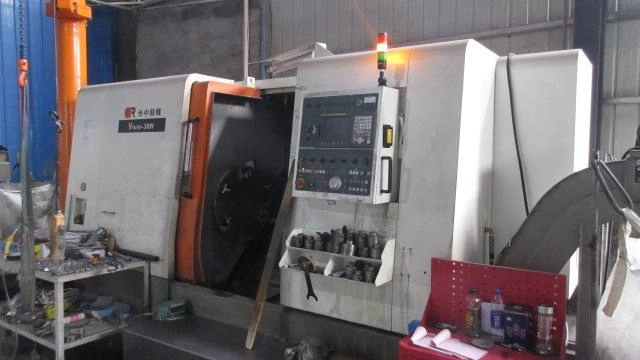
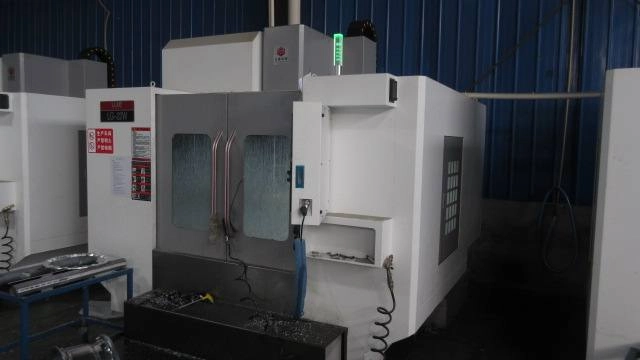
Stable Production & Strict Quality Control
- Production capacity: Choose factories with low-pressure casting/flow forming/forging workshops instead of pure trading firms for full quality traceability.
- Full-process records: Suppliers need to provide raw material testing, heat treatment, CMM dimensional inspection reports. Factory audits are recommended for new partners.
- NDT equipment: Professional manufacturers equip X-ray, fluorescent penetration flaw detectors and spectrometers to detect internal pores and surface tiny cracks.
Complete & Authentic Safety Certifications
🔹 Global certifications: VIA/JWL, TÜV, SAE J2530 are mandatory for exports; certification codes must be laser engraved on wheels and verifiable on official websites.
🔹 Domestic standards: All China-sold wheels must meet GB/T 3487 & GB/T 5334, with official lab test reports for after-sales risk control.
🔹 Load marking: Clear maximum load stamped on spokes, which must exceed vehicle full-load single wheel load, especially for SUV & performance car refits.
Wear-resistant Surface Coating & Anti-corrosion Performance
All premium wheels adopt a standard three-layer coating system consisting of electrophoretic primer, color paint and top clear coat with a total dry film thickness of no less than 80μm for stable color retention and reliable anti-rust performance. They pass a minimum 240-hour salt spray test complying with ASTM B117 and GB/T 10125 standards without rust or blistering, making them ideal for coastal and snow-prone areas. Polished and brushed wheel finishes require an additional nano ceramic coating, and regular wax maintenance should be recommended to end users.
- Accurate Full Dimensional & Fitment Data
- Five core parameters: Fully mark diameter, J width, ET offset, PCD, center bore with both metric & imperial units.
- X-factor clearance: Provide actual measured backspace data or 3D files to avoid interference with big brake calipers.
- Double verification: Cross-check supplier fitment charts with real vehicle installation cases to prevent vibration & assembly failure.
Clear After-sales & Warranty Terms
🔸 Warranty classification: 3–5 years structural warranty for crack/deformation; 1-year cosmetic warranty for coating failure. Exclude damage from impact or chemical erosion.
🔸 Fast issue handling: Prioritize suppliers promising 48-hour feedback and 15-day return & replacement for defective batches.
🔸 Long-term accessory supply: Ensure center caps, lug nuts, hub rings remain available for 3 years after model discontinuation.
This guideline outlines five critical wheel selection criteria to ensure driving safety and avoid after-sales risks. Professional manufacturers must possess complete production capabilities, strict full-process quality control, and advanced testing equipment. Qualified wheels require authentic global and domestic safety certifications with clear load marking. They feature a durable three-layer anti-corrosion coating and certified salt spray resistance for long-term outdoor use. Accurate dimensional data and brake clearance guarantee precise vehicle fitment. Meanwhile, standardized warranty policies, efficient after-sales response, and long-term accessory availability ensure stable and reliable long-term product value for wholesalers, modification shops and end users.


