Distributors & Retailers
Wheel Wholesale & Retail Getting Tougher? Solve These Four Critical Pain Points or Your Profits Will Never Rise
Overstock and Dead Stock – Cash Tied Up in the Warehouse, Cash Flow Tighter Than Ever
For wheel wholesalers, the biggest fear isn’t slow sales—it’s that once goods enter the warehouse, they never leave. With so many sizes, offsets, bolt patterns, and finishes, a wrong bet on a popular versus niche model can turn hundreds of thousands of dollars into scrap metal. Warehouse rent keeps accruing, capital is frozen, and while old stock sits unsold, you hesitate to bring in new styles. The business becomes increasingly passive.
Many wholesalers are slowly suffocated by inventory—not because they lack orders, but because all their money is locked up in goods that won’t turn over. To break free, you need to realign your profit margins and inventory risk. If your supplier offers tiered wholesale pricing—better prices for larger volumes with genuine transparency—you can order flexibly based on your capital and sales rhythm, without being forced to take on unmanageable quantities just to get a decent rate. Clear profit margins let you place orders with confidence and sell with peace of mind, rather than gambling on guesswork.
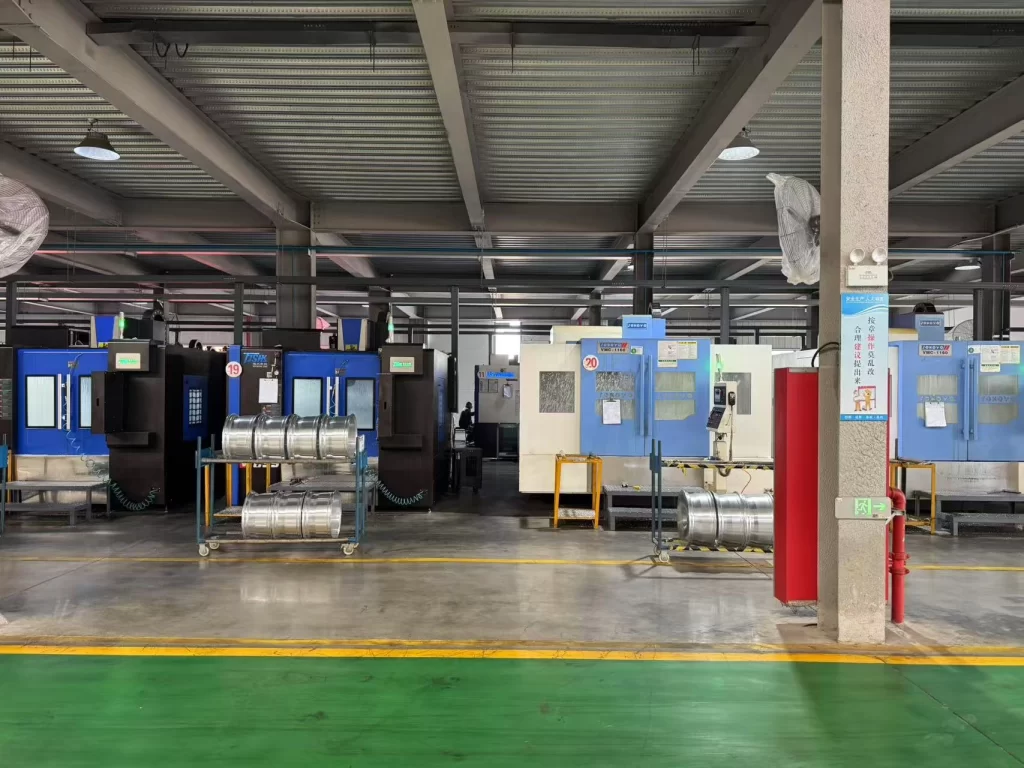
Hot Models Out of Stock – Peak Season Arrives, but Supply Fails, Handing the Market to Competitors
Nothing is more frustrating than stocking out of a best-seller. You’ve worked hard to promote a particular style, orders pour in, and then the factory tells you “lead time is two months.” By the time the goods finally arrive, the peak season is over, and your customers have already gone elsewhere. All your marketing efforts and client relationships end up benefiting your competitors.
Stockouts are fundamentally a sign of a slow supply chain. Ordinary factories only take large batch orders and don’t hold safety stock for wholesalers. A truly channel-savvy supplier, however, will implement fast restock—they pre‑stock the most popular sizes and specifications, so when you need replenishment, you don’t have to wait for a new production run. Replenishment lead time shrinks from months to just days. When the peak season hits, you can keep up without gaps, and your customers will stay loyal.
Vicious Price Wars Among Peers – The More You Sell, the Thinner Your Margins, and Eventually Everyone Loses
There’s a vicious cycle in the wheel wholesale industry: as soon as a product becomes hot, competitors jump in with undercutting. You sell at 1000, they sell at 900, another at 800—until nobody makes a profit, yet no one dares to raise prices. In the worst cases, some even sell at a loss just to grab market share or inflate turnover.
You can’t win this internal race by price alone. You need two weapons: territory protection and MAP pricing control. Territory protection means that for key models, you are the exclusive seller within your region—customers have to come to you, with no second source to poach or undercut. MAP (Minimum Advertised Price) enforcement, on the other hand, kills price wars at the source: the supplier sets a unified minimum retail price across all channels, and no one is allowed to sell below it. That way, you don’t have to worry about a neighbouring competitor poaching your clients with lowball offers. Everyone’s margins are safeguarded, and the business becomes sustainable.
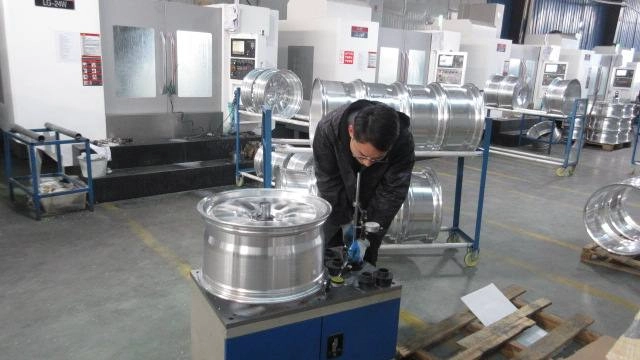
Slow Shipping, Complicated Customs Clearance, Opaque Tariffs – You Think You’re Making Money at Quotation, but When Goods Arrive, You Find You’ve Worked for Nothing
Many import wholesalers have experienced this: you quote a price to your customer, secure the order, and then the goods spend over a month at sea, only to be followed by customs clearance hassles, tariff payments, and endless paperwork. By the time everything is tallied, freight has gone up, exchange rates have shifted, duties have changed, and unexpected fees have eaten away any profit—not to mention the delayed delivery that damages customer satisfaction.
This hurdle is nearly impossible for wholesalers to overcome on their own. A reliable supplier should offer DDP door‑to‑door delivery with customs clearance included. DDP (Delivered Duty Paid) means the quoted price is the landed cost—all freight, duties, and clearance fees are wrapped in, with no hidden charges. You simply wait for the goods at your doorstep, without worrying about shipping, customs, or tariff fluctuations. The quoted price is your true cost, so your profit is predictable, and you won’t be blindsided by surprise expenses.
The wheel wholesale and retail business is ultimately not about who dares to stock more or discount deeper—it’s about who can control risks and lock in margins. Tiered wholesale pricing lets you order flexibly and avoid overstock; fast restock keeps you in supply during peak seasons; territory protection and MAP control shield you from price wars; and DDP door‑to‑door brings full cost transparency. Get these four pillars right, and your wholesale business can shift from anxiety‑ridden to steady and sustainable. We hope this guide helps you run further and smoother on the wheel industry track.
Share on Social:


- PREV: Tuning Shops & Builders
- NEXT: Brand Builders / OEM
